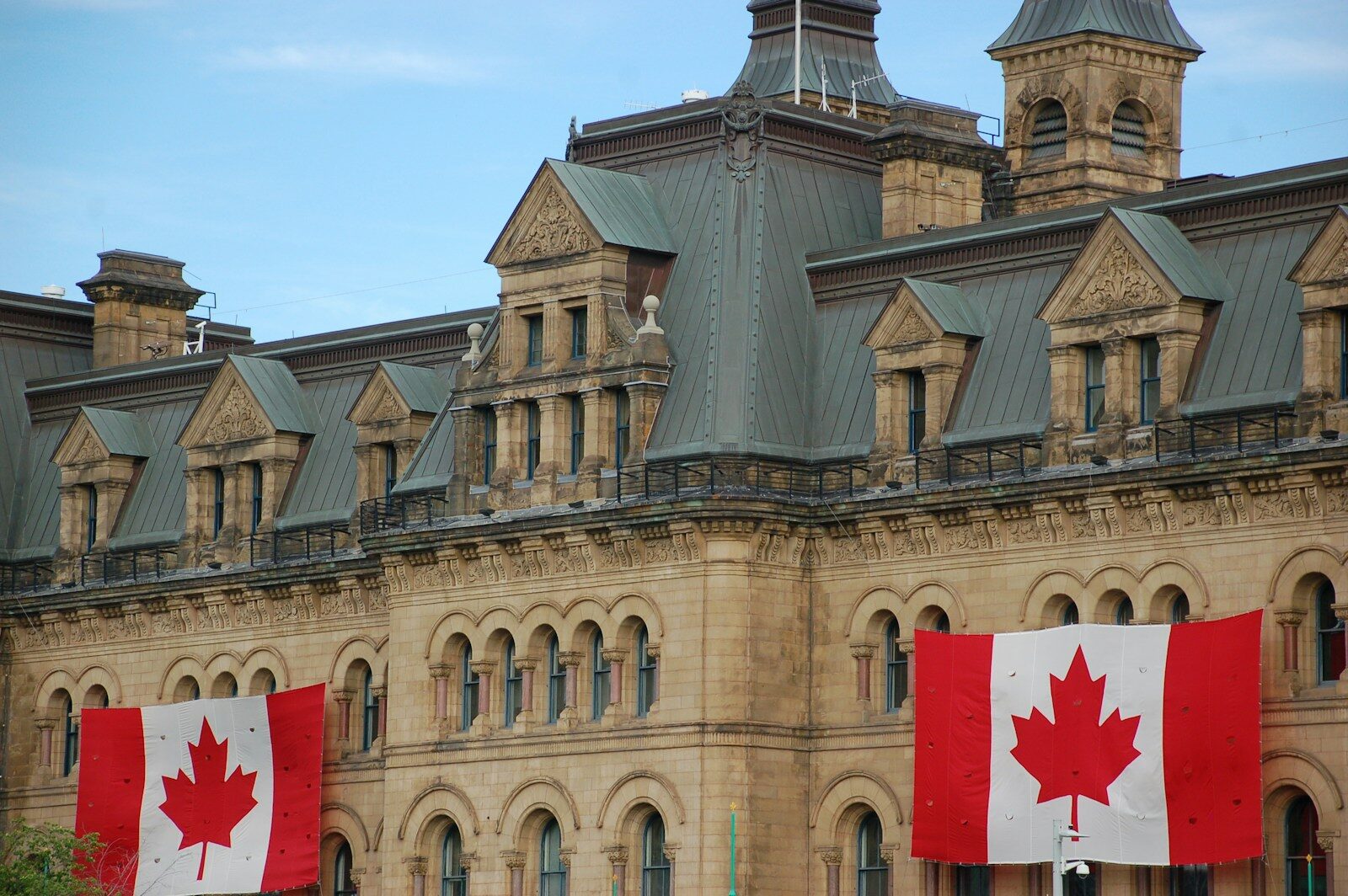


Choosing to study in Canada is one of the most transformative decisions an international student can make. With high safety standards, welcoming communities, and practical education pathways, Canadian public colleges attract tens of thousands of global learners every year. However, selecting the right institution involves far more than picking a campus in a famous city or looking at beautiful promotional photos.
With evolving immigration policies, strict program requirements, and localized labor market needs, evaluating institutions carefully is essential. Understanding how the broader Canadian education system operates ensures that your financial and academic investment aligns with your long-term career goals. This guide outlines the key steps to selecting a public college that fits your aspirations.
Public vs. Private Colleges: Understanding the Difference
Before narrowing down your options, it is critical to distinguish between public post-secondary institutions and private career colleges. Both serve distinct purposes, but they offer vastly different outcomes for international students.
Public colleges are publicly funded institutions governed by provincial ministries of education. They offer industry-aligned diplomas, applied degrees, post-graduate certificates, and hands-on vocational training. They also maintain rigorous academic standards, direct ties to local industries, and state-of-the-art campus facilities.
Most importantly, public institutions offer clear post-graduation options. While private career colleges may offer specialized short courses, many do not qualify their graduates for a Post-Graduation Work Permit (PGWP). If your primary goal is to gain Canadian work experience after completing your studies, selecting a public college is typically the safest and most reliable pathway.
Essential Criteria for Selecting a Public College
When comparing public institutions across different provinces, evaluate each candidate school using these four essential criteria:
1. Verify DLI Status and Program Eligibility
Provincial and federal authorities must officially designate every institution authorized to host international students. Confirming that your target institution is listed among valid Designated Learning Institutions Canada is the mandatory first step in your research.
However, holding a DLI number is not enough on its own. You must also verify that your specific program of study qualifies for a post-graduation work permit. Under current regulations, non-degree college diploma programs must align with specific target sectors facing long-term labor shortages, such as healthcare, STEM, skilled trades, agriculture, or logistics. Always check the Classification of Instructional Programs (CIP) code of your chosen program against official government lists before applying or paying tuition deposits.
2. Location and Local Labor Market Demands
Canada is a vast country with vastly different regional economies. Choosing where to study should depend largely on where your professional field is thriving.
- Ontario and British Columbia: Offer large urban hubs with massive technology, finance, and logistics sectors, though living expenses are higher.
- Prairie Provinces (Alberta, Saskatchewan, Manitoba): Known for robust opportunities in energy, agriculture, trade, and health services, combined with lower living costs.
- Atlantic Canada (Nova Scotia, New Brunswick, PEI, Newfoundland): Features growing communities with targeted regional immigration pathways for healthcare, education, and skilled trade professionals.
Selecting a college located in a region with high local demand for your field dramatically improves your networking opportunities and co-op placement potential.
3. Co-op and Hands-On Learning Opportunities
One of the distinct strengths of public colleges is their focus on practical work experience. Many diploma and certificate programs include integrated co-op work terms or mandatory field placements. Co-op terms allow you to work full-time in your field of study while earning academic credits, building a Canadian resume, and establishing relationships with potential employers before graduation.
When researching colleges, prioritize programs that offer structured co-op options and dedicated career services to help students land work placements.
4. Campus Infrastructure and Student Support Services
Moving to a new country involves an adjustment period. Reliable public colleges provide robust support infrastructure designed specifically for international students. Look for institutions that offer airport pick-up services, orientation programs, academic tutoring, housing assistance, and on-campus career counseling. Dedicated international student advisors can help you maintain your legal study status and navigate work regulations smoothly.
Focusing on well-equipped, student-centered institutions allows you to access some of the best public colleges in Canada while giving yourself a comfortable environment to adjust and thrive academically.
Action Plan for Prospective International Students
To ensure a smooth transition, structure your decision-making process carefully:
- Identify Your Career Goal: Choose a program that logically builds upon your prior education or work experience while filling a recognized skill shortage.
- Check Official Eligibility: Cross-reference your school’s status among Designated Learning Institutions Canada and confirm that your specific course code qualifies for post-study work options.
- Calculate Total Costs: Prepare a comprehensive budget that covers international tuition fees, mandatory health insurance, books, accommodation, and personal living expenses.
- Apply Early: Public college seats for popular intake periods fill quickly. Submitting your application early ensures you receive your Letter of Acceptance and Provincial Attestation Letter (PAL) with ample time to apply for your study permit.
Careful planning helps international students in Canada maximize their educational investment and build a solid foundation for their future careers.
Finding Recognized Institutions
When researching options, you will find top-tier institutions across every province. Highly regarded public colleges include Humber College, Seneca Polytechnic, and George Brown College in Ontario; British Columbia Institute of Technology (BCIT) and Douglas College in British Columbia; Southern Alberta Institute of Technology (SAIT) in Alberta; and Red River College Polytechnic in Manitoba.
Exploring these accredited colleges in Canada gives you access to practical, industry-designed curricula that mirror real-world workplace requirements.
Conclusion
Choosing the right public college is the bedrock of a successful Canadian study journey. By looking beyond ranking lists and focusing on official program eligibility, practical co-op opportunities, regional job markets, and student support services, you can select an institution that aligns perfectly with your goals.
Navigating the rules of the Canadian education system requires accurate information and strategic foresight. Taking the time to research accredited colleges in Canada ensures that your education provides long-term value, professional growth, and exciting post-graduation possibilities. At Ovation Immigration, we are dedicated to helping students make informed educational choices and guiding them through every step of the visa application process.